
OEM vs. ODM: What’s the Difference

Choosing the right manufacturing partner represents a critical strategic decision for growing businesses. In the world of commercial garment production, navigating outsourcing models can feel overwhelming. Two acronyms seen quite frequently across the apparel industry are OEM and ODM. While people often confuse the two terms, they do not mean the same thing. The distinction comes down to product ownership, design control, and upfront investment.
For brands looking to launch a unique clothing line or source highly specialized products, understanding the OEM vs. ODM difference is essential. This guide breaks down both models, outlines their benefits and drawbacks, and provides actionable cost comparisons to help your apparel business make an informed choice.
What Is an OEM?
OEM stands for Original Equipment Manufacturer. In this business model, the buyer owns the complete product design and intellectual property. The client provides the factory with detailed blueprints, material specifications, and strict quality standards. The manufacturer, functioning as the production partner, handles the physical assembly and creation from scratch. This model allows for full product differentiation in competitive markets.
For instance, a clothing brand can utilize OEM services to build an entirely proprietary line of high-performance activewear or custom-engineered sports bra based purely on their own specialized tech packs and patterns.
What Is an ODM?
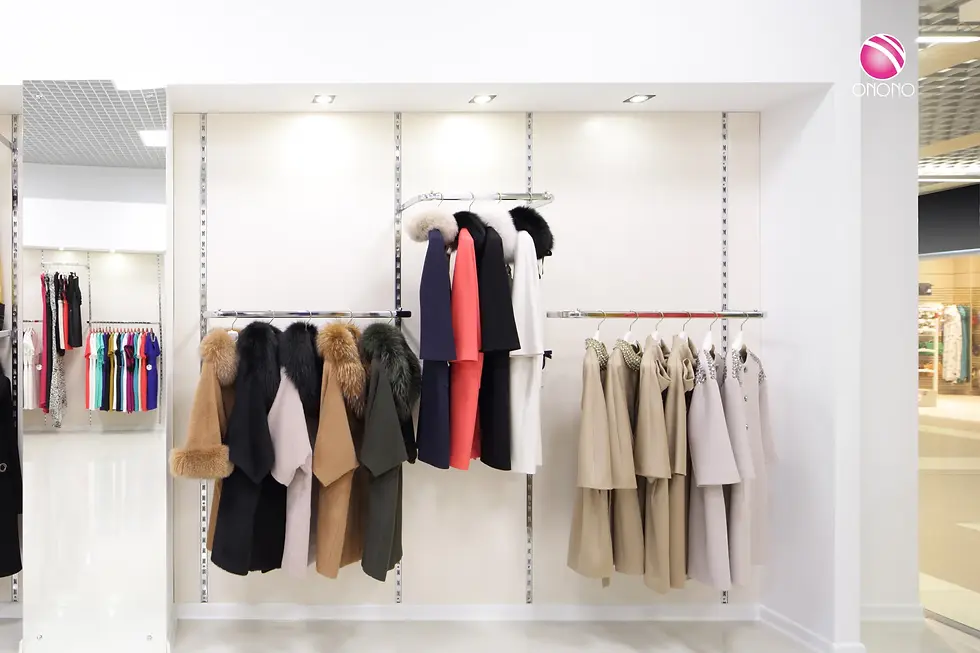
ODM stands for Original Design Manufacturer. This approach is often referred to as private labeling or white-label manufacturing. In this scenario, the supplier designs and manufactures the products independently. The factory maintains ownership of the core intellectual property and offers pre-existing designs to multiple buyers through a product catalog. Clients can select an established garment platform and request minor cosmetic modifications. These adjustments typically include changing the fabric colors, adding custom logos, or modifying the packaging.
Businesses looking to quickly launch a basic line of everyday underwear, comfortable lounge-sleep collections, or standard kid items frequently select this method to skip the lengthy product development phase.
Key Differences of OEM vs. ODM
Feature | OEM Manufacturing | ODM Manufacturing |
Product Design Ownership | Retained fully by the client | Owned by the manufacturer |
Intellectual Property (IP) | Client owns all patents and designs | Supplier holds base design rights |
Customization Level | Extensive and fully customizable | Limited to predefined options |
Time to Market | Longer due to R&D and validation | Faster due to pre-existing platforms |
Upfront Investment | Higher engineering and tooling costs | Lower initial development spend |
Product Differentiation | Maximum market uniqueness | Moderate to low market uniqueness |
Pros of OEM
Full Product Differentiation: The brand retains complete authority over every aspect of the design, ensuring the finished clothing line stands out uniquely from competitors.
Total Intellectual Property Protection: Owning the patents and blueprints makes it much easier to safeguard designs and prevent unauthorized duplication by other brands.
Long-Term Strategic Control: Importers can easily dictate their own long-term product roadmap, feature evolution, and lifecycle upgrades.
Supply Chain Flexibility: Because the buyer owns the technical documentation, they can shift production to alternative contract manufacturers if quality or pricing issues arise.
Cons of OEM
Higher Upfront Investment: Developing custom products from the ground up requires significant financial resources for research, engineering, and sample prototyping.
Longer Production Timelines: The journey from initial concept sketches to a validated, market-ready clothing batch involves lengthy design and testing cycles.
Heavy Resource Dependency: Success requires substantial in-house technical expertise to oversee production parameters and manage strict quality control checks.
Pros of ODM
Rapid Time to Market: Utilizing a manufacturer's pre-existing, proven product base significantly reduces development timelines and speeds up retail launch schedules.
Lower Upfront Capital Needed: Businesses avoid the heavy financial burdens associated with prototyping, complex pattern engineering, and custom factory setup.
Reduced Technical Involvement: Brands can lean directly on the design and manufacturing expertise of the supplier, minimizing the need for in-house apparel engineers.
Built-In Economies of Scale: The factory often manufactures the same underlying garment platform in high volumes, which can lower the per-unit production costs.
Cons of ODM
Restricted Product Customization: Brands are tightly bound to the factory's existing catalog and cannot implement deep functional changes to the garments.
Risk of Market Dilution: The manufacturer can sell the exact same base clothing designs to multiple competing brands, making it harder to build a distinct brand identity.
Minimal Intellectual Property Rights: The client's legal ownership is strictly limited to their own branding elements, logos, and specific packaging designs.
OEM vs ODM Cost Comparison
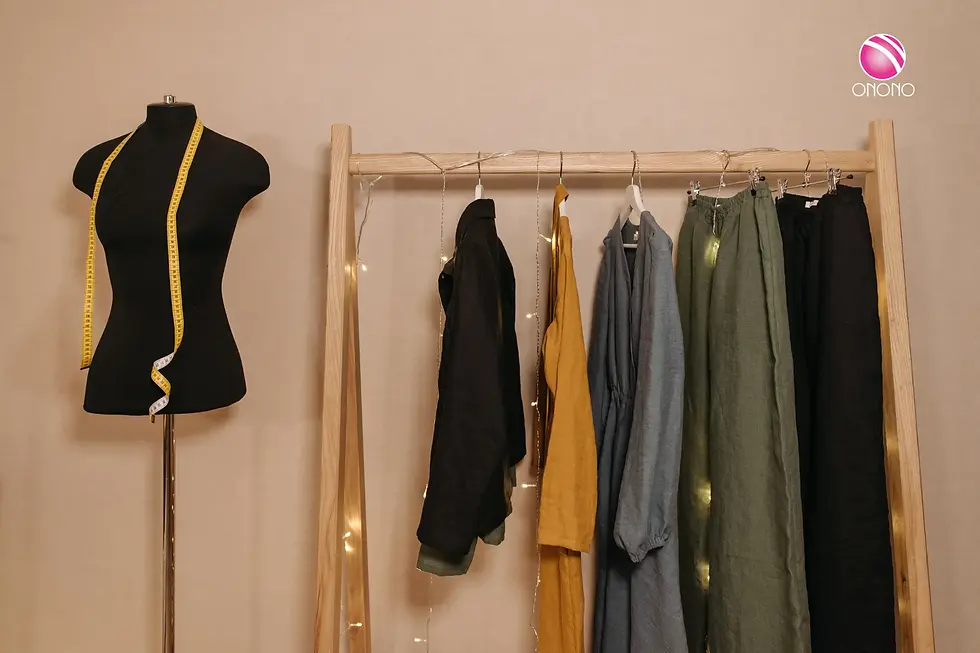
Initial Development Cost: The upfront financial commitment represents a massive point of divergence in OEM vs. ODM manufacturing. OEM requires a substantial investment at the start because companies must fund research, custom drawings, and multiple sample validation cycles. ODM virtually eliminates this early engineering spend by utilizing existing product frameworks.
Tooling and Equipment Investment: Custom apparel components or specialized performance features under an OEM model may require the creation of new patterns, custom molds, or dedicated machinery. This tooling investment increases early risk. With ODM, the existing factory setup and standard machinery support the project, heavily lowering the entry cost.
Unit Production Cost: Per-piece pricing depends heavily on materials, raw fabric choices, and overall order volumes rather than the manufacturing model alone. However, customized OEM pieces often carry a higher initial unit price due to specialized labor steps. ODM bases enjoy consistent, predictable unit pricing because factories produce them repeatedly.
Long-Term Profitability Margins: While OEM asks for more money at the start, it supports significantly higher profit margins once the clothing line earns its place in the market. Proprietary designs command premium retail prices. ODM reduces financial risk during market testing, but profit margins can become tighter due to heavy price competition from identical white-label brands.
Choose OEM or ODM?
Deciding between these two contract manufacturing structures depends entirely on your current business goals, capital availability, and launch timelines. The OEM model represents the ideal path for established businesses that possess internal design capabilities and want to build long-term brand equity around completely proprietary fashion innovations.
Conversely, the ODM model represents an excellent strategic choice for startups or testing concepts. It allows businesses to enter a new product category rapidly, validate consumer demand, and conserve valuable cash flow for marketing and branding.
Choosing a Manufacturing Partner
Finding a reliable partner who understands the differences of OEM vs. ODM manufacturing can make or break your retail success. The production facilities at Thai Onono provide comprehensive solutions tailored to your unique operational scale. We offer specialized apparel production services, delivering high-quality craftsmanship across multiple garment categories.
The manufacturing team at Thai Onono handles everything from custom pattern execution to high-volume output. We assist your brand through strict quality assurance protocols, ensuring your shipments meet global compliance standards. Partner with us to streamline your production workflows so you can focus on building your brand.
Tel: (+66) 02-811-6666
Email : sim@thaionono.com
Frequently Asked Questions
1. What is the difference between OEM, ODM, and OBM?
An OEM manufactures products based entirely on designs provided by the buyer. An ODM designs and builds products independently, allowing buyers to purchase and rebrand them. An OBM, known as an Original Brand Manufacturer, handles the entire spectrum internally by designing, manufacturing, and selling products under its own proprietary brand name.
2. Who owns the intellectual property rights in an OEM contract?
In a standard OEM contract, the buyer retains complete ownership of the intellectual property, design files, and patents. The manufacturer is legally restricted from producing that specific product design for any other client or third-party brand.
3. Can an ODM product be customized with unique fabric selections?
Yes, ODM products allow for limited customization. While the core structural patterns and dimensions remain fixed, buyers can usually select different fabric colors, material blends, surface finishes, and custom brand packaging options within pre-approved factory limits.
4. Why do production timelines differ between OEM and ODM?
OEM timelines are longer because the product is developed completely from scratch, requiring extensive design reviews, prototype adjustments, and manufacturing calibrations. ODM timelines are significantly shorter because the factory utilizes a pre-validated design and active production lines.
5. Which manufacturing model requires a higher Minimum Order Quantity (MOQ)?
OEM projects typically require a higher Minimum Order Quantity because the factory must alter its production lines, purchase unique raw materials, and set up specific tooling for a custom run. ODMs can often offer lower MOQs because they produce the base items regularly for multiple clients.


Comments